Biology
12 articles in this topic.
Eating chili peppers may raise the risk of one deadly cancer
Eating large amounts of chili peppers may raise the risk of esophageal cancer, but scientists say the evidence is not yet strong enough to prove a direct cause.…

Scientists finally solved why some frogs survive a deadly fungus
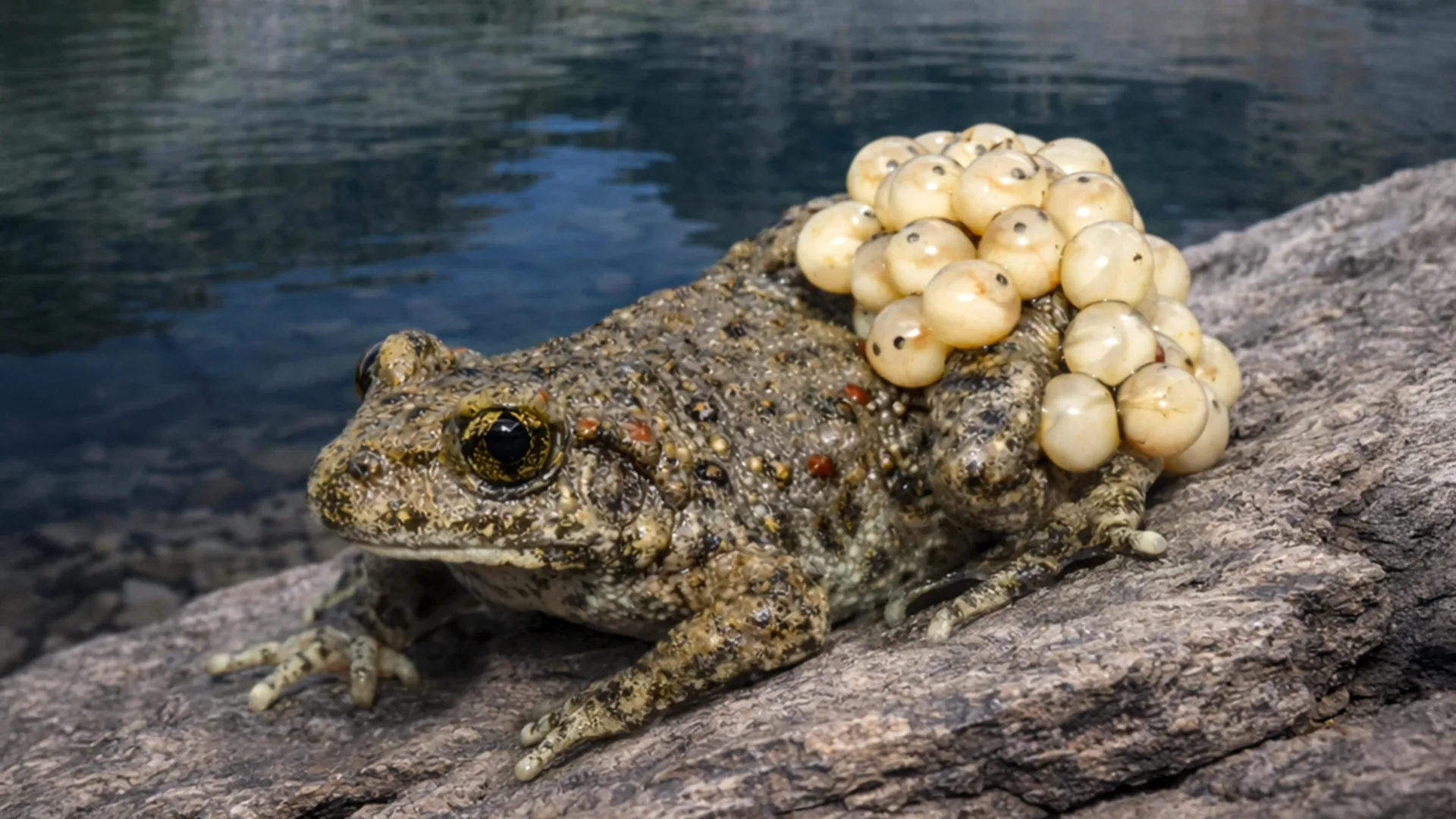
Image of a common midwife toad in the Pyrenees. This male toad is carrying eggs that are wrapped around his back and thighs. Credit: Phillip Jervis Scientists have…
This pet gecko could help scientists unlock the secrets of cancer
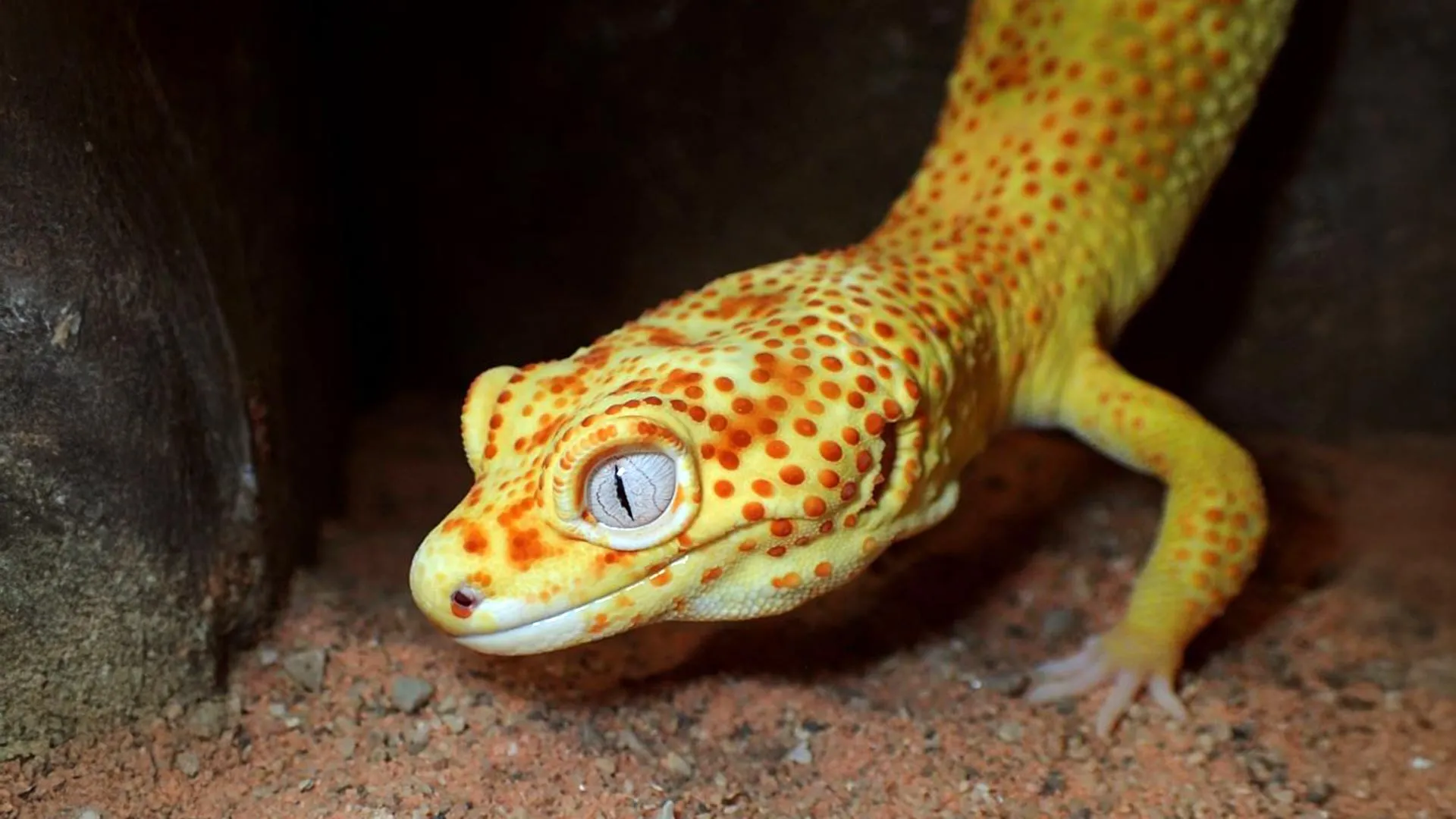
Lemon frost gecko. Credit: Dr. Tony Gamble, Marquette University A colorful pet gecko that is unusually prone to developing cancer could become an important new tool for researchers…
Koalas nearly went extinct before humans arrived, DNA study reveals
A groundbreaking DNA study reveals today’s koalas are all descendants of a tiny population that survived a near-extinction 100,000 years ago. Credit: Shutterstock A major genomic analysis is…

A shattered asteroid may have bombarded Earth 800 million years ago
A Southwest Research Institute-led study has connected a specific asteroid collision in the main belt to an inner-solar-system-wide bombardment episode that may have had measurable biological and geological…

Scientists found mystery bacteria inside one of the ocean’s most elusive whales
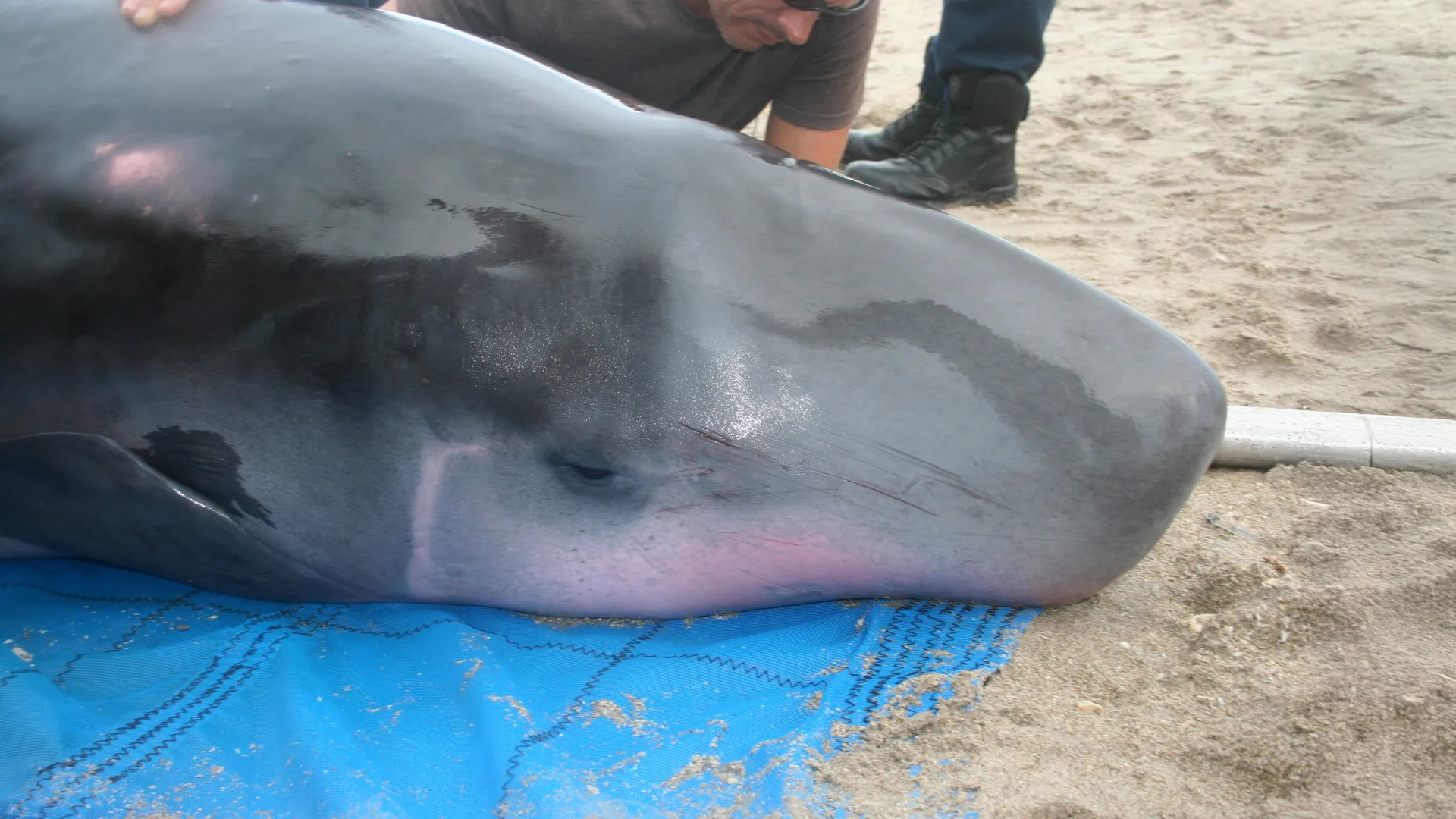
A stranded pygmy sperm whale on a beach in east Florida in 2011. Stranding response conducted under a Stranding Agreement between NMFS and FAU Harbor Branch under the…
Hidden genetic diversity helped inbred brown tree snakes conquer guam
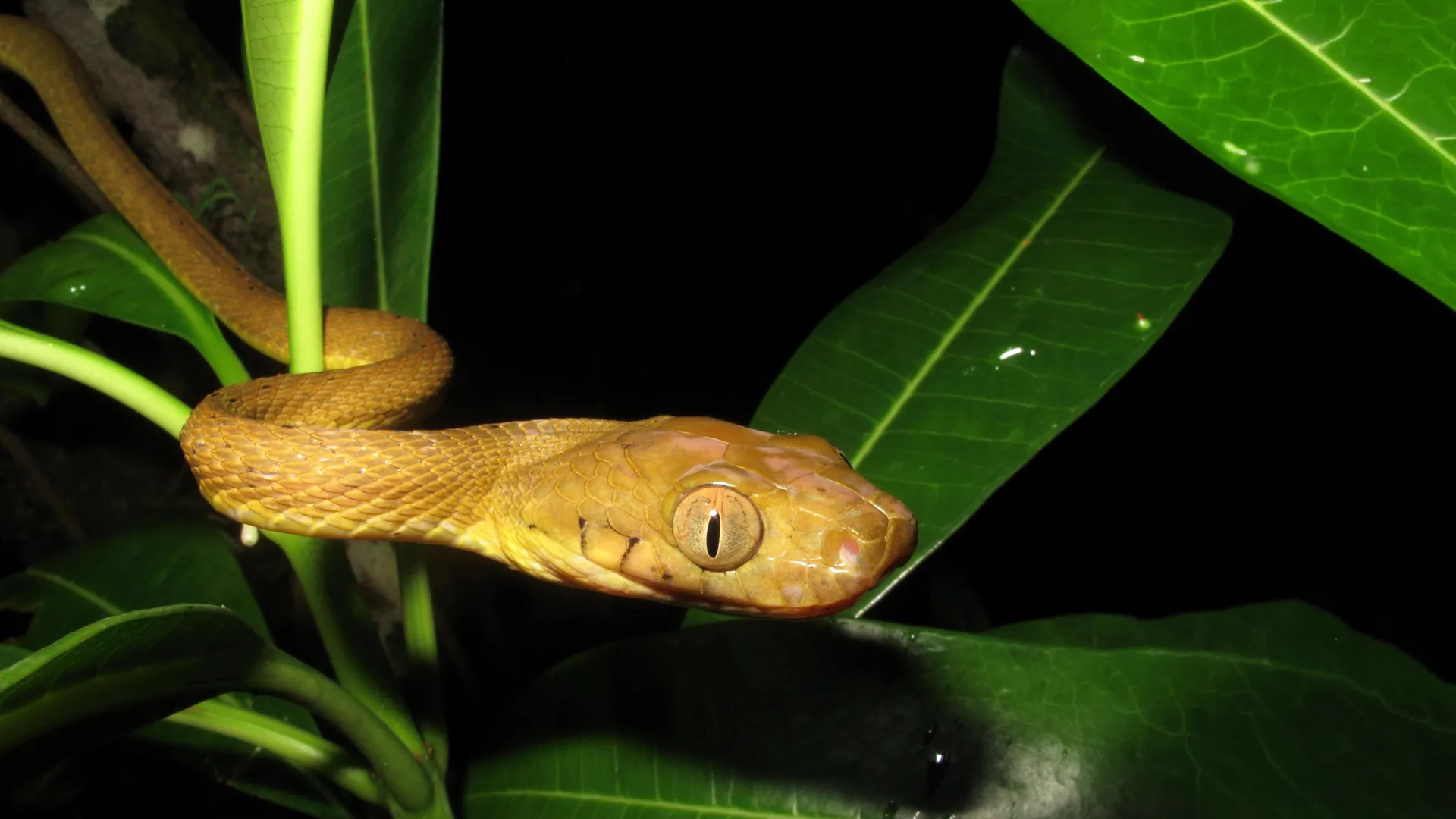
Brown tree snakes are an invasive species to Guam. Credit: U.S. Geological Survey The brown tree snake has become one of the world’s best-known examples of an invasive…
Why are so many dead bumblebees appearing on sidewalks?
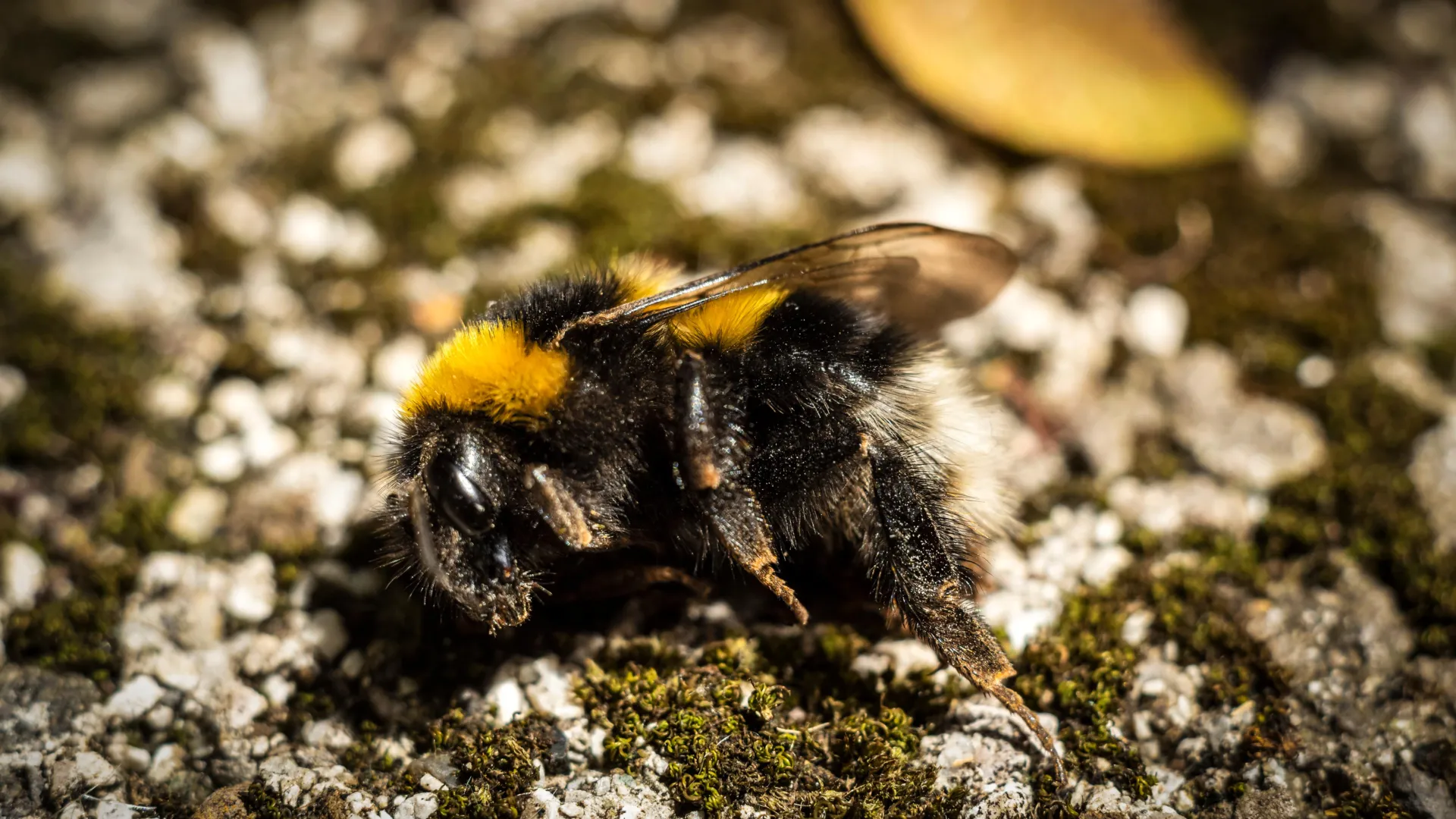
Dead bees on summer sidewalks reveal both a natural life cycle and a growing environmental warning. Credit: Shutterstock You may be spotting bodies of dead bumblebees lying across…
AI reveals explosive bursts in bird evolution
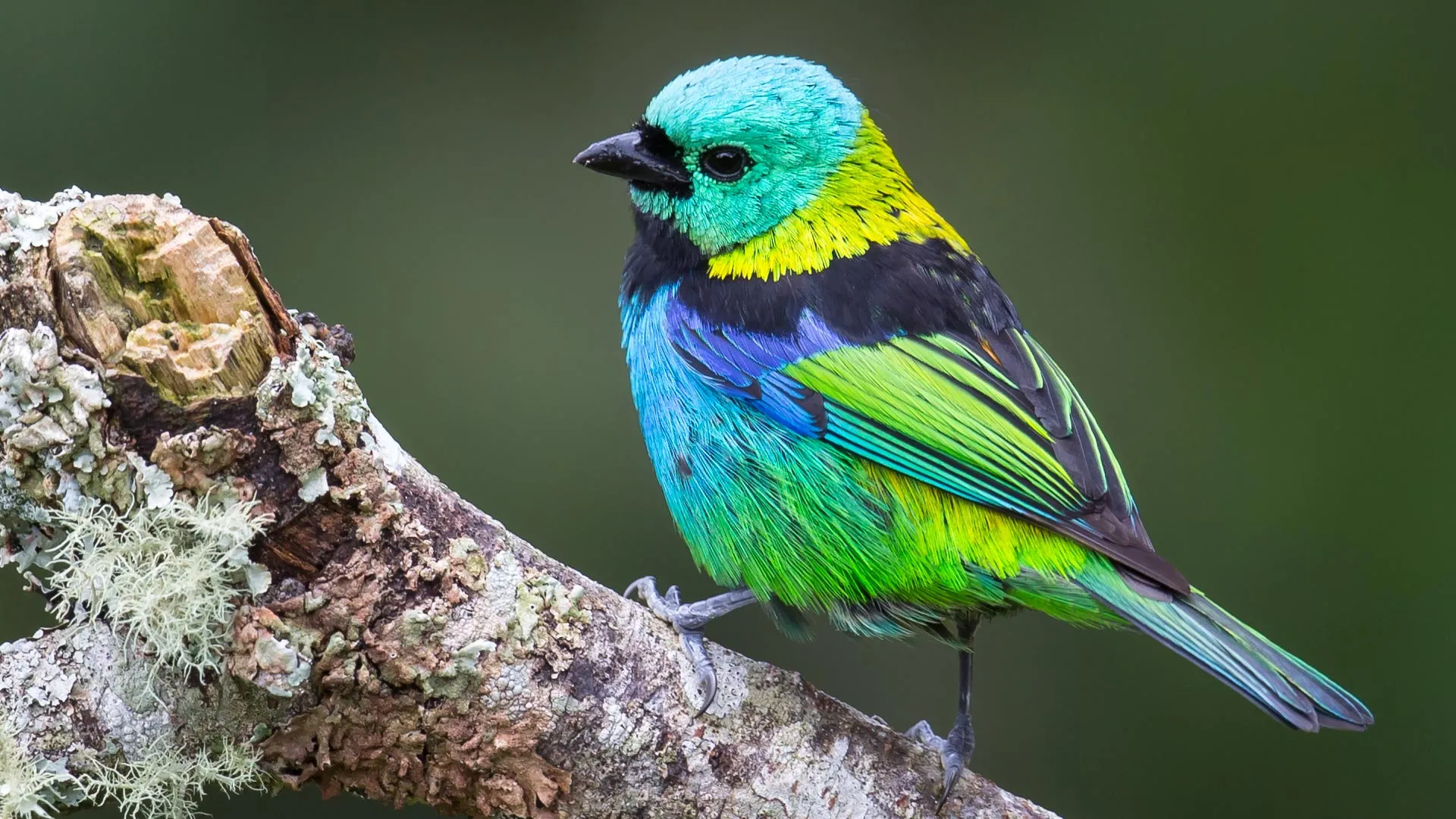
AI measurements of thousands of museum bird skeletons reveal that songbird evolution often happened in explosive bursts rather than at a steady pace. Credit: Shutterstock University of Michigan…
Two deadly flowers could inspire powerful new medicines
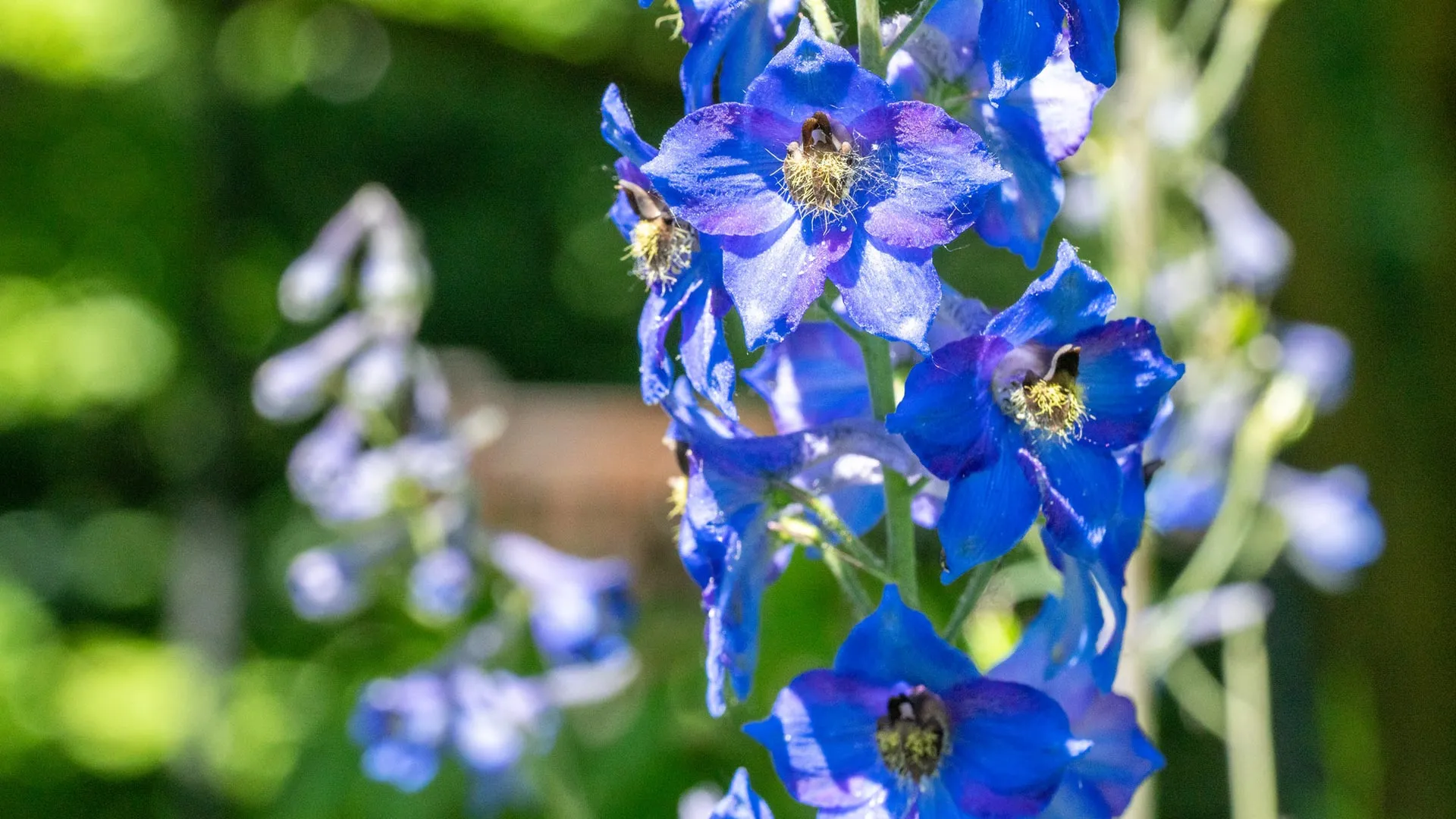
A larkspur specimen in bloom at Beal Botanical Garden. Known for their toxicity, injurious plants such as larkspur and wolfsbane have been leveraged by humans for millennia for…